No PR Budget, No Problem: How Japanese Indie Creators Are Going Global on Social Media
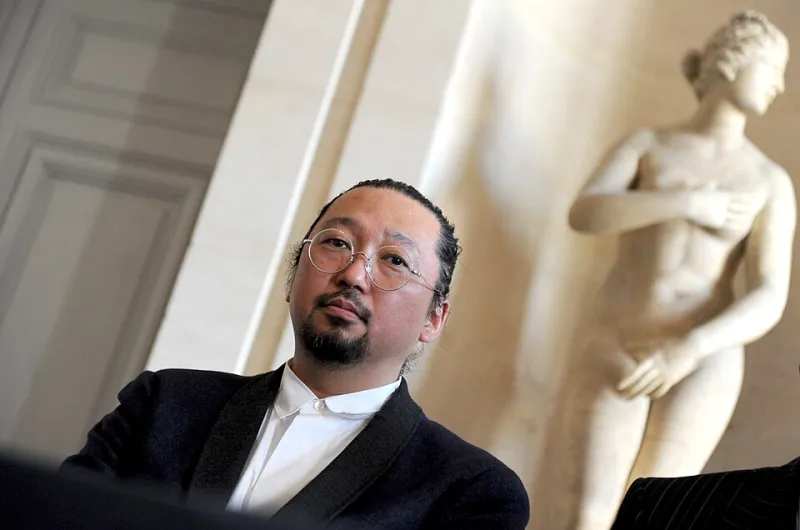
Photo: Nicolas Richoffer, CC BY-SA 4.0, via Wikimedia Commons
Somewhere in a small Tokyo apartment, an illustrator is posting time-lapse videos of ink drawings to a following she's built entirely outside Japan. A bedroom producer in Osaka is racking up streams from listeners in Ohio, São Paulo, and Lagos who found him through a fifteen-second TikTok clip. A ceramicist in Kyoto has a waitlist of American buyers who've never set foot in Japan.
This isn't a fluke. It's a pattern — and it's accelerating.
Japanese independent creators are having a genuine global moment, and the way they're getting there is worth paying close attention to, especially if you're a creator yourself.
Why Now? The Platform Shift That Changed Everything
For years, the main pipeline for Japanese creative work reaching Western audiences ran through gatekeepers — distributors, licensing deals, publishing houses, or the slow burn of fan communities doing translation work on their own time. Great stuff got through, but slowly, and usually only if it fit a category Western markets already recognized.
Short-form video blew that model up. TikTok's algorithm, in particular, doesn't care where you're located. It cares about watch time, saves, and shares. A satisfying pottery video performs in Cincinnati the same way it performs in Chiba. Instagram Reels operates similarly. Suddenly, the geographic and institutional barriers that kept Japanese indie creators in relative obscurity internationally became much, much thinner.
The timing also matters. Post-pandemic, American audiences developed a notable appetite for craft-forward, process-driven content — the kind of video where you watch someone make something beautiful from start to finish. Japanese creators, it turns out, have been making exactly that kind of work for years. The audience finally caught up.
The Niches That Are Actually Breaking Through
Not everything travels equally. Here's where the traction is genuinely happening in the US market right now:
Analog and traditional craft — Sumi ink illustration, kintsugi, hand-bound books, natural dye textiles. These formats perform extremely well as short-form video because they're visually satisfying and the process itself is the content. No need to explain much. Just watch.
Lo-fi and ambient music — The Japanese lo-fi aesthetic has been a slow build for years (anyone who's spent time on YouTube study streams knows this), but individual artists are now building direct audiences on TikTok by posting raw recording sessions, gear setups, and atmospheric clips. The vibe economy is real.
Character design and illustration — Independent Japanese illustrators who post work-in-progress content, especially in styles that blend traditional Japanese visual vocabulary with contemporary character design, are finding huge engagement from Western audiences who grew up on anime and manga and are hungry for adjacent creative work.
Food and culinary craft — This one almost doesn't need explaining. Japanese food content has always performed well internationally, but the indie layer — home cooks, regional specialty makers, small restaurant owners — is now getting the same platform access that used to be reserved for polished food media brands.
How Japanese Creators Think About Content Differently
Here's what's interesting: the Japanese independent creators who are breaking through internationally are often not doing what Western influencer culture would tell them to do. They're not optimizing their personal brand. They're not posting daily. Many of them aren't even writing captions in English, at least not at first.
What they're doing is posting with a kind of focused consistency that feels less like content strategy and more like craft documentation. The work comes first. The audience follows the work.
There's also a notable restraint in self-promotion. Where a lot of Western creator content is explicitly aspirational — here's my lifestyle, here's my process, here's how you can be like me — a lot of the Japanese indie content that's performing well internationally is just... the thing itself. The drawing. The sound. The finished bowl. This understatement, paradoxically, reads as deeply authentic to Western audiences who are increasingly fatigued by overt personal branding.
One ceramicist who has built a significant following in the US said in an interview that she was genuinely surprised anyone outside Japan was watching. She wasn't making content for an international audience — she was documenting her work for herself. The international audience found her.
The Language Barrier Is Lower Than You Think
One of the most persistent myths about Japanese creators going global is that language is a hard wall. It isn't — not anymore, and not in the formats that are actually gaining traction.
Process video doesn't require narration. Ambient music doesn't require lyrics. Visual art doesn't require explanation. When text is needed, auto-translation tools have gotten genuinely good, and many creators are finding that even imperfect English captions don't hurt engagement — sometimes the slight translation quirks even add to the charm and authenticity.
The creators who are making an intentional push into English-language content are doing it thoughtfully rather than trying to match the cadence of native English-speaking influencers. They're writing in their own voice, translated. That distinction matters.
What Western Creators Can Take From This
A few things stand out as genuinely transferable lessons:
Depth over frequency. Many of the Japanese indie creators gaining traction internationally post less often than algorithm-chasing Western creators — but every post is considered. The work is complete before it's shared.
Let the process be the content. The making of the thing is often more interesting than the finished product, at least for the kind of audience that follows craft-forward creators. Documenting the work honestly tends to outperform polished reveal posts.
Niche is not a limitation. The Japanese creators breaking through internationally are often extremely specific in what they do. A painter who only paints traditional botanical subjects. A musician who only makes a particular subgenre of ambient music. That specificity builds real audiences faster than trying to appeal broadly.
The global creative landscape is genuinely more accessible than it's ever been. The Japanese indie creators finding their footing on TikTok and Instagram right now are proof of that — and honestly, watching them figure it out in real time is one of the more exciting things happening in creative culture.