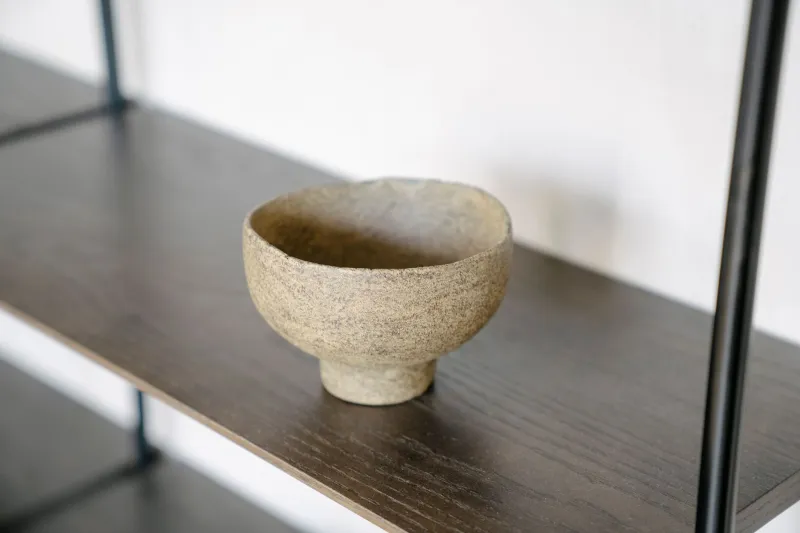
The Magic Is in the Mundane: How Japanese Creators Build Unforgettable Work Through Ruthless Routine
There's a moment that happens pretty regularly when Western audiences discover Japanese creative work for the first time. A short film, an illustrated book, a game cutscene, a piece of product packaging — and the reaction is almost always the same: How did they make this feel so natural? So intuitive? Like it arrived fully formed?
The answer, honestly, is kind of a buzzkill. There's nothing mystical happening. What you're seeing is the end product of a process that is, by most standards, deeply unglamorous. Repetitive. Meticulous. Occasionally obsessive to the point of seeming counterproductive. And yet — it works. Consistently, reliably, almost unfairly well.
This is something Kumatori Yusuke has talked about in interviews and project breakdowns over the years: the idea that the "effortless" quality of Japanese creative output isn't accidental. It's manufactured, piece by piece, through habits that most people would find tedious before they found them transformative.
The Notebook Nobody Wants to See
Let's start with documentation, because it's the piece that surprises American creators the most when they get a look behind the curtain.
In many Japanese creative studios and individual workflows, documentation isn't a bureaucratic afterthought. It's treated as part of the creative act itself. Sketches get dated and filed. Revisions are logged with notes about why a change was made, not just what changed. Even failed ideas get archived rather than deleted, because the reasoning behind a failed direction is considered valuable data.
This might sound like overkill. In a culture where "move fast and break things" spent years as a legitimate professional philosophy, the idea of cataloging your dead ends feels almost quaint. But here's the thing — when you document your process that thoroughly, you stop repeating your own mistakes without realizing it. You start to see patterns in your own creative decisions. You build, over time, a personalized reference library that's more useful than any inspiration board because it's made entirely of your own thinking.
Kumatori's own project archives reflect this. Early-stage work that never made it to a client still gets documented, still gets a file. It's a habit that looks boring from the outside and functions like a superpower from the inside.
Repetition as Research
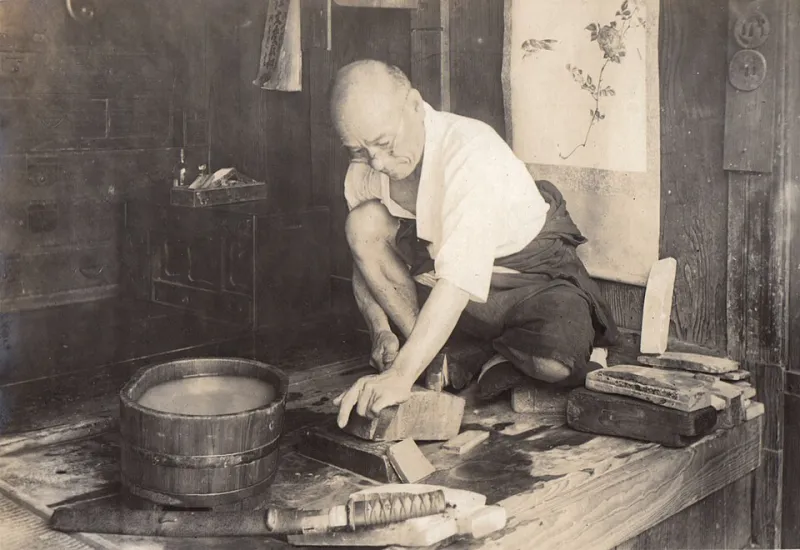
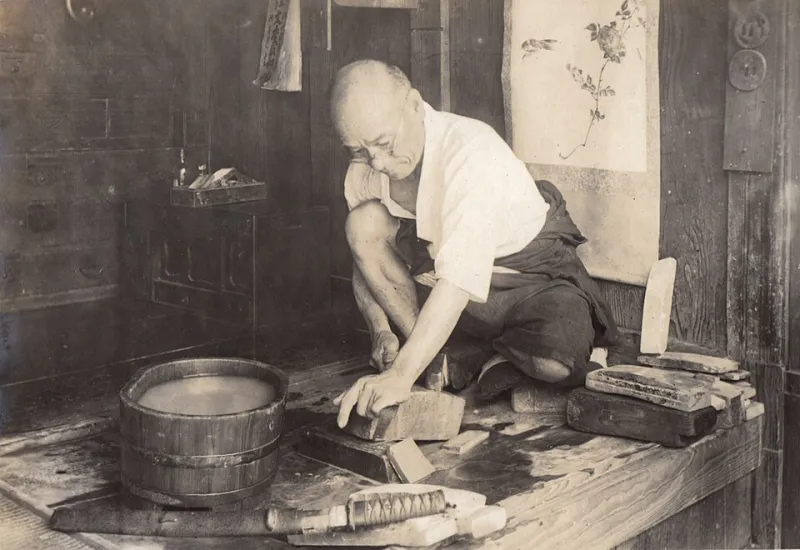
There's a concept in Japanese craft culture — across disciplines, from pottery to calligraphy to game design — that mastery isn't demonstrated by doing something impressive once. It's demonstrated by doing something consistently. The interesting part of the work isn't the peak moment; it's the floor you've raised through repetition.
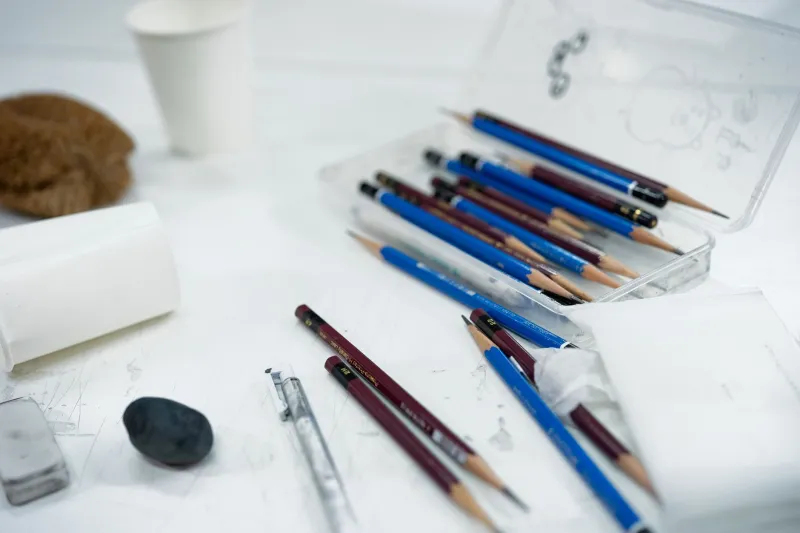
For creative professionals, this plays out in daily practice routines that most Western creators would find punishing. Not because they're physically demanding, but because they're deliberately stripped of novelty. You practice the same compositional exercise. You write the same type of scene. You redraw the same reference. Not to get better at that specific task, but to lower the cognitive cost of execution so that when real creative decisions need to be made, your brain isn't wasting energy on mechanics.
Think of it like a musician running scales. Nobody wants to hear the scales. The scales aren't the point. But the musician who skips them is spending mental bandwidth on fingering when they should be spending it on feeling.
American creators, particularly in digital and content spaces, tend to treat this kind of deliberate repetition as stagnation. The pressure to constantly produce something new, something shareable, something that signals growth — it works against the kind of slow-burn skill development that repetitive practice actually builds. Japanese creative culture, broadly speaking, has historically been more comfortable with the idea that you might spend a long time getting good at something before you show anyone.
The Routine as Creative Infrastructure
Routine gets a bad reputation in creative industries. It sounds like the opposite of inspiration. But watch how working Japanese creative professionals actually structure their days and the relationship between routine and output becomes a lot clearer.
Routine, in this context, isn't about killing spontaneity. It's about creating the conditions where spontaneity can actually happen. When the start of your workday follows a reliable sequence — reviewing yesterday's notes, a set warm-up exercise, a defined first task — you're not suppressing creativity. You're eliminating the decision fatigue that eats into it.
Kumatori has described his own morning workflow in terms that would sound almost monastic to someone used to the chaos-as-creativity model that a lot of Western creative culture romanticizes. It's structured. It's quiet. It starts the same way most days. And the work that comes out of that structure consistently outperforms the work that came out of less disciplined periods — not because the ideas were better, but because the execution had more room to breathe.
Why It Feels Like Magic to Everyone Else
Here's the part that ties it all together. When an audience encounters creative work that was built on this kind of foundation — documented, practiced, routinely refined — they experience the accumulated benefit of all that invisible labor without having to sit through it. The rough edges have been worked out. The decision-making is confident. The execution doesn't betray the effort behind it.
That's why it reads as effortless. That's why it feels intuitive. Not because the creator got lucky or had some innate gift that skipped the hard work. But because the hard work was done so thoroughly, so quietly, that it left no visible trace.
American creators who've spent time studying Japanese workflows — and there are more of them every year, showing up in design forums, indie game dev communities, animation circles — tend to report the same thing: the process felt boring to adopt and then impossible to give up. Once you've experienced the quality difference that comes from genuine documentation and deliberate repetition, going back to winging it feels like leaving money on the table.
What You Can Actually Take From This
None of this requires moving to Tokyo or apprenticing in a traditional studio. The principles translate. Start keeping better records of your own process — not for anyone else, just for yourself. Build a warm-up routine and protect it. Archive the work that didn't make it and write a sentence about why. Do the boring exercise before you touch the exciting project.
It won't feel creative at first. That's kind of the point. The magic, as it turns out, has always been in the mundane.