Solo First, Team Later: The Japanese Creative Principle American Studios Are Finally Starting to Notice
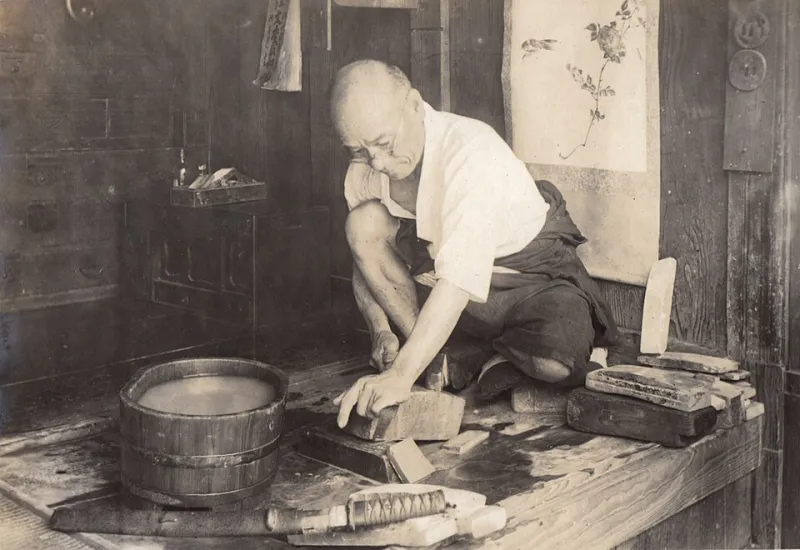
Photo: A.Davey from Portland, Oregon, EE UU, CC BY 2.0, via Wikimedia Commons
There's a moment in almost every American creative kickoff meeting where someone says something like, "Let's ideate together and see where the energy goes." It sounds open, collaborative, energizing. And honestly? Sometimes it works great.
But Kumatori Yusuke — and a lot of Japanese creators like him — would probably sit quietly through that whole meeting, take careful notes, and then go home and spend three weeks working alone before saying a single word about the direction.
That's not shyness. That's a philosophy.
The Mastery-First Mindset
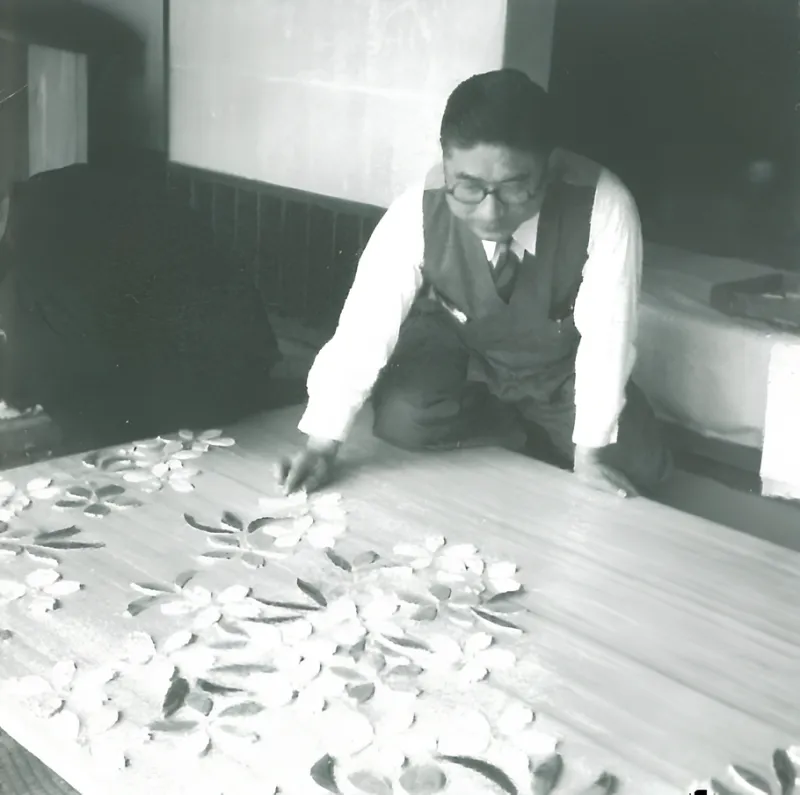
In Japan, there's a long cultural tradition of shokunin — the idea of a craftsperson who spends years, sometimes decades, perfecting a single skill before considering themselves ready to contribute meaningfully to anything larger. You see it in sushi chefs who spend years just learning to cook rice. You see it in manga artists who fill hundreds of sketchbooks before submitting a single page to a publisher.
Kumatori's approach to creative work carries that same DNA. Before collaborating with anyone — a studio, a brand, another artist — there's a deep investment in understanding his own voice, his own strengths, and his own process. The goal isn't to become self-sufficient forever. The goal is to show up to a team with something real to offer.
In American creative culture, we tend to skip that step. Brainstorming together is celebrated almost as a virtue in itself. "Two heads are better than one" is basically a founding principle of how US ad agencies, design studios, and content teams operate. But here's the uncomfortable question: what happens when neither head has fully formed its own ideas yet?
The Paradox That Actually Makes Sense
Here's where it gets interesting. You'd think that a creator who spends so much time working alone would be a nightmare in a team setting — rigid, protective of their ideas, unwilling to bend. And sure, that happens sometimes. But more often, the opposite is true.
When Kumatori steps into a collaborative project, he already knows what he brings to the table. He's not in the room trying to figure himself out. That clarity frees him up to actually listen to what others are offering, to find the gaps where his skills fit rather than scrambling to justify his presence.
Compare that to a team where everyone's still working out their individual perspective in real time. Those collaborations often produce a kind of creative mush — work that feels like it was made by committee, because it was. The rough edges get smoothed off. The distinctive voices cancel each other out.
Japanese creative teams, at their best, look more like jazz ensembles than corporate brainstorming sessions. Each player arrives having done their homework. The magic happens in the interplay between developed, individual voices — not in the absence of them.
What This Looks Like in Practice
This isn't just theory. Watch how Japanese animation studios like Studio Ghibli or Kyoto Animation actually function. Directors and key animators are known for obsessive personal preparation. Hayao Miyazaki famously sketches thousands of frames himself before handing anything off. That individual investment doesn't slow the team down — it gives the team a clear creative north star to orient around.
Kumatori operates on a similar principle in his own work. Projects that eventually become collaborative often start with a long solo phase: research, rough drafts, failed experiments that never see the light of day. By the time another voice enters the room, there's something concrete to push against, to build on, to argue with constructively.
American studios that have worked with Japanese creatives often describe a similar experience. There's an initial period that feels almost frustratingly quiet. Then suddenly, the Japanese collaborator shows up with something fully formed, and the whole project accelerates.
What American Teams Could Steal From This
None of this means American collaborative culture is wrong. The US creative industry is genuinely great at certain things — fast iteration, cross-disciplinary energy, the kind of chaotic ideation that occasionally produces something nobody expected. That has real value.
But there's something worth borrowing from the Japanese model, especially for creators and studios that feel like their collaborative work keeps coming out a little... flat.
Try building in a mandatory solo phase before group work begins. Give every collaborator time to develop their own take on a brief before the first meeting. Resist the urge to ideate out loud until everyone's actually ready to say something.
It sounds counterintuitive in a culture that prizes constant communication. But the bet is this: when individual voices are stronger, the chorus sounds better.
Kumatori's work is a pretty good argument that the bet pays off.
The Long Game
There's a broader cultural lesson here too. Japan's creative industries have consistently punched above their weight on the global stage — anime, video games, graphic design, fashion, architecture. A lot of that output comes from relatively small teams, sometimes individuals, operating with deep personal investment in their craft.
That's not a coincidence. It's the result of a system that values individual mastery as a prerequisite for meaningful collaboration, not as its opposite.
American studios chasing the next big creative breakthrough might find it's not about adding more voices to the room. It might be about making sure each voice has had enough time alone to actually become worth hearing.