Selling Sadness: How Japanese Creators Turned Melancholy Into a Global Goldmine
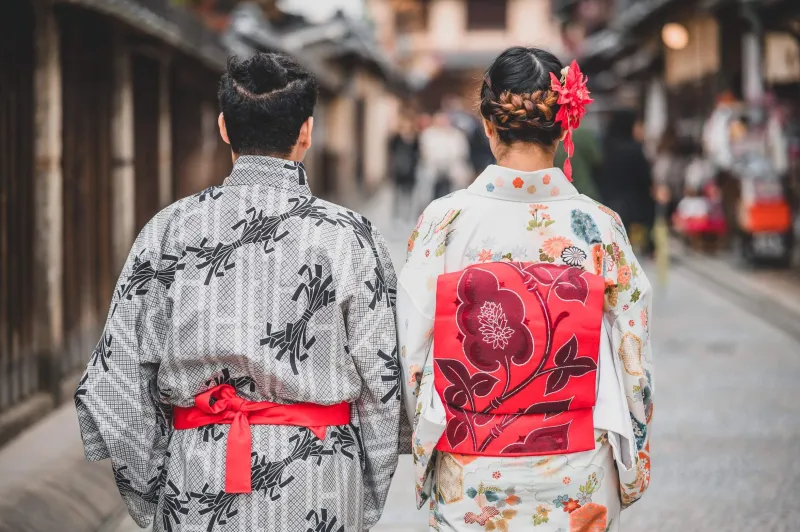
Photo: Japanese anime aesthetic lonely figure minimal dark melancholy, via i.shgcdn.com
There's a moment in Demon Slayer — you probably know the one — where Tanjiro stands over the frozen bodies of his family and just... breathes. No dramatic score swell. No villain monologue. Just a kid in the snow, absorbing the weight of an irreversible loss. American studios would've cut that scene in half. Japanese creators let it sit.
That willingness to dwell in discomfort isn't accidental. It's a craft decision. And increasingly, it's a business model.
The Emotion Nobody Wanted to Admit They Needed
For years, Western entertainment operated on a pretty simple emotional contract: audiences come in feeling bad, they leave feeling good. Redemption arcs. Triumphant third acts. The underdog wins. Even tragedies tend to resolve into something that feels earned and clean.
Japanese media has always played a different game. The concept of mono no aware — roughly translated as a bittersweet awareness of impermanence — has been baked into Japanese storytelling for centuries. It's why a cherry blossom is more poetic because it falls. It's why Your Lie in April hits harder than most Western romance films despite (or because of) its devastating ending. The sadness isn't a bug. It's the entire product.
What's changed recently is the scale at which that product is moving.
Demon Slayer became one of the highest-grossing anime franchises in history not despite its existential weight but because of it. The show is fundamentally about grief — about what it costs to keep going after catastrophic loss — and Gen Z audiences in the US responded to that with a level of emotional investment that surprised a lot of media analysts. Kids weren't just watching it. They were posting about it at 2 AM, writing essays about Tanjiro's trauma responses, making TikToks about which character's backstory destroyed them the most.
That's not fandom. That's catharsis.
Fashion That Feels Like a Feeling
It's not just anime. Wander into any major US city right now and you'll spot the visual language of Japanese minimalist fashion on people who've never set foot in Tokyo. Brands like Comme des Garçons, Yohji Yamamoto, and the broader wave of mori and dark academia aesthetics that filtered through Tumblr and into mainstream Gen Z wardrobes — these aren't just clothing styles. They're emotional postures.
Yohji Yamamoto once said his clothes are for people who don't want to be seen but still want to exist. That's a remarkably precise description of a feeling a lot of young Americans are walking around with right now. The oversized silhouettes, the deliberately undone hems, the palette that hovers somewhere between charcoal and absence — it's fashion that says I am here, but just barely, and it's resonating in a country where the dominant fashion narrative has historically been louder, brighter, more.
CDG's US sales have been climbing steadily. Independent Japanese-influenced designers are building serious followings on Instagram and Depop. The aesthetic of quiet withdrawal is, somewhat ironically, extremely popular.
Why American Entertainment Can't Replicate It
Here's where it gets interesting — and a little uncomfortable for the American creative industry.
Hollywood has noticed. Streaming platforms have noticed. There have been genuine attempts to bottle whatever emotional ingredient makes Japanese storytelling land so hard with global audiences. And most of those attempts have been... fine. Competent. Occasionally good. Almost never devastating in the same way.
The issue isn't talent. American writers and directors are enormously skilled. The issue is structural. US entertainment, particularly at the studio level, is optimized for audience retention, franchise extension, and the kind of emotional satisfaction that keeps people coming back. Unresolved grief doesn't test well in focus groups. A protagonist who doesn't fully heal by the end of act three makes executives nervous.
Japanese creative culture, at its best, isn't optimizing for comfort. It's optimizing for truth. And sometimes the truth is that things don't get better. Sometimes the most honest thing a story can do is sit with you in the dark for a while.
There's also a craft dimension here that's easy to underestimate. Japanese creators working in the loneliness aesthetic — whether in anime, game design (think Nier: Automata, which is essentially a philosophy thesis disguised as an action RPG), or fashion — tend to treat negative emotion with the same level of technical precision that American creators bring to action sequences or comedy. The pacing of a sad moment, the visual framing of isolation, the musical restraint — these are skills that get developed over time in an industry that values them.
The Catharsis Economy
What this all points to is something I'd call a catharsis economy — a growing market for media and products that don't make you feel better so much as they make you feel understood.
American audiences, particularly younger ones, are increasingly exhausted by relentless positivity. The hustle culture aesthetic, the toxic optimism of certain corners of social media, the pressure to perform happiness — there's a real and growing appetite for creative work that acknowledges the harder parts of being alive.
Japanese creators have been making that work for decades. They just didn't know the whole world was about to be ready for it.
The numbers back this up. Nier: Automata sold over 7 million copies globally. A Silent Voice — an anime film about bullying, isolation, and the impossibility of taking back the harm you've caused — has a 97% audience score on Rotten Tomatoes and routinely trends on social media years after its release. Spirited Away won an Oscar in 2003 and is still the reference point for emotionally sophisticated animation in 2024.
These aren't niche products. They're mainstream hits built on the premise that sadness is worth sitting with.
What This Means for Creators Everywhere
If you're a creator — American, Japanese, anywhere in between — the lesson here isn't to manufacture melancholy. Audiences can smell manufactured emotion from a mile away, and nothing is more hollow than performed sadness.
The lesson is about permission. Japanese creative culture has long given its storytellers permission to be honest about difficult emotions without immediately resolving them. That permission is what produces work that lands with such unusual force.
The global appetite for that kind of honesty isn't going away. If anything, it's growing. The creators who figure out how to meet it — with craft, with sincerity, without the safety net of a tidy ending — are going to have a real advantage in the next decade of entertainment.
Sadness, it turns out, is a pretty durable export.